Thinking of using your own gold? Here's what we want you to know
One of the questions we're asked most often is:
"Can I use my own gold to make a new piece of jewellery?"
In many cases, the answer is yes.
Some of our favourite projects involve transforming inherited jewellery into something new and meaningful. There's something incredibly special about taking a collection of unworn pieces and turning them into jewellery that can be worn, loved, and enjoyed every day.
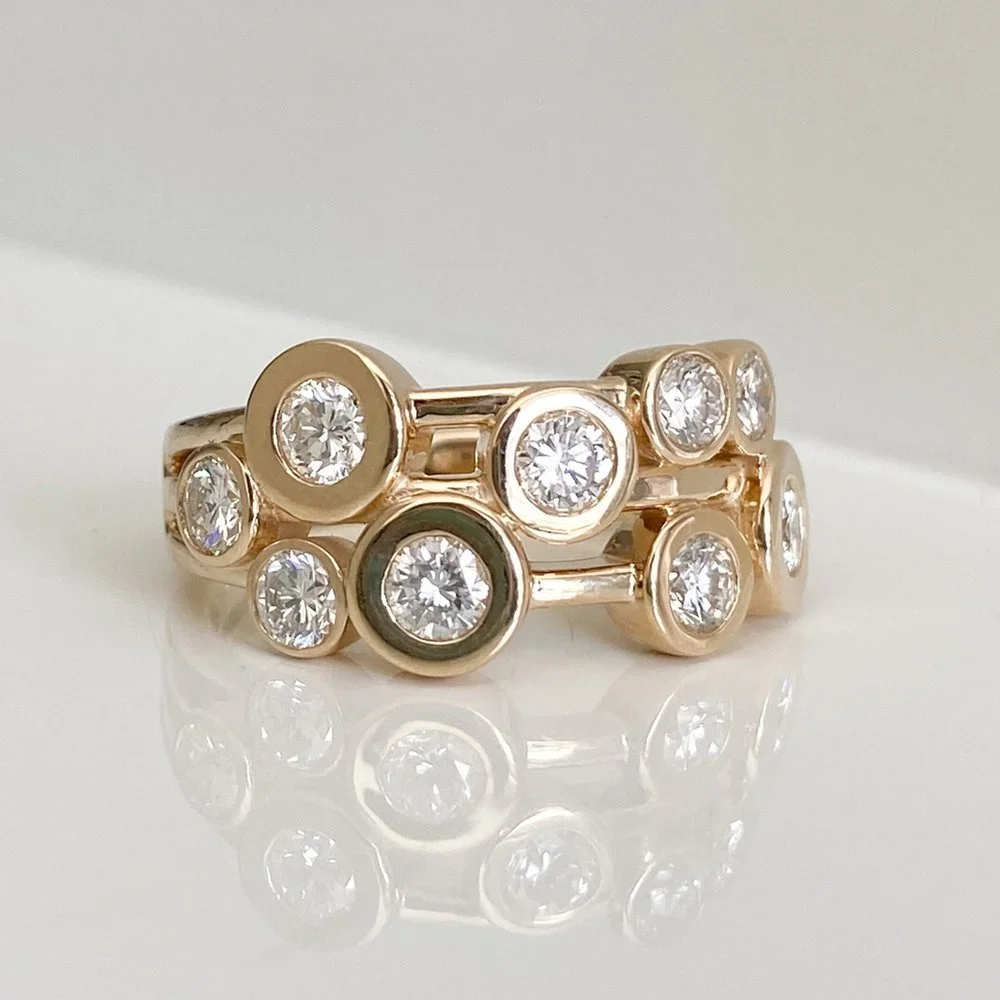
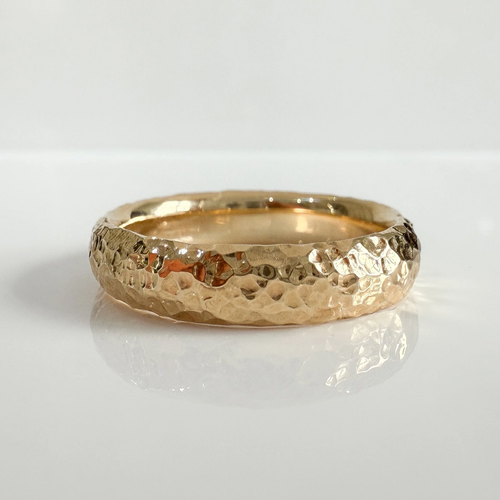
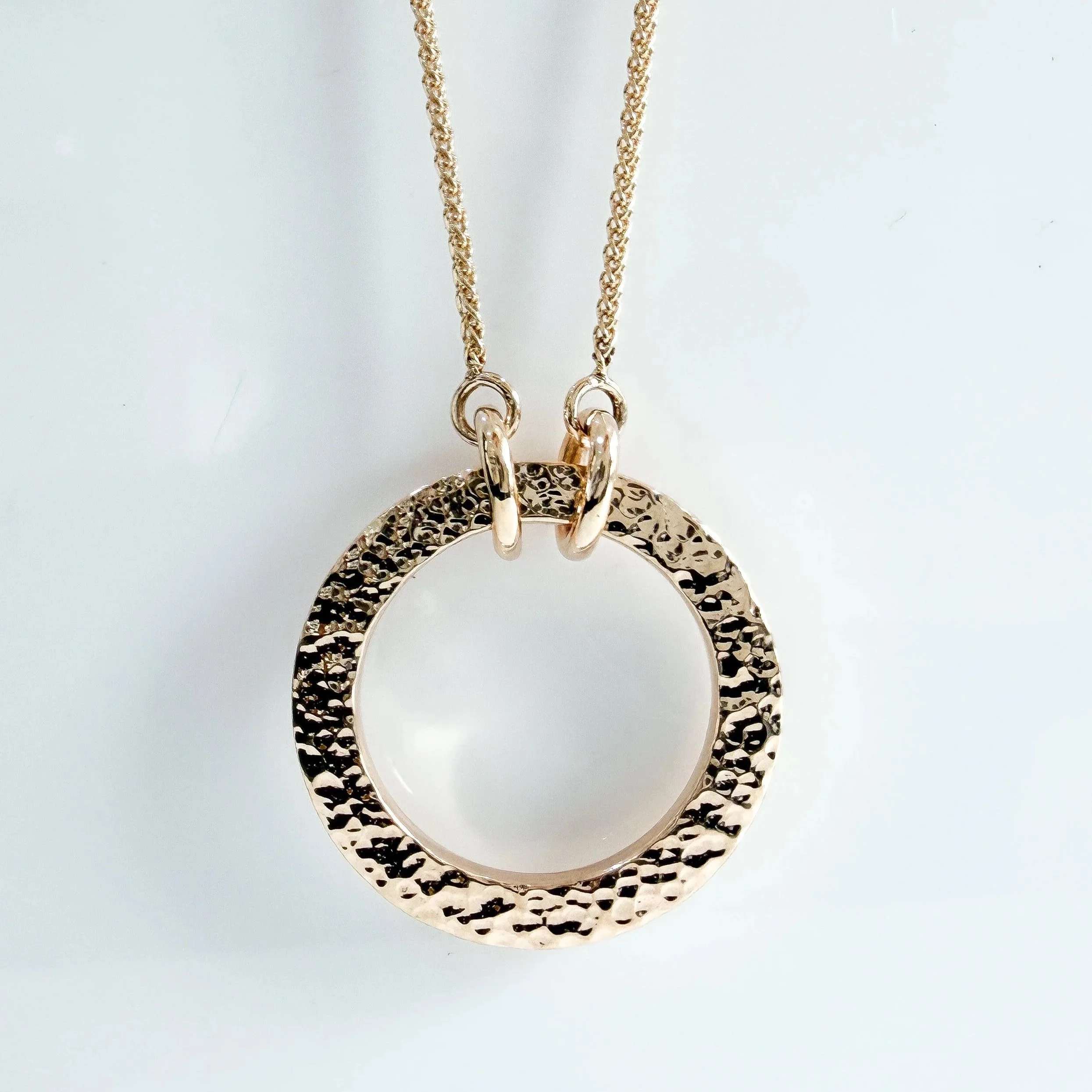
However, before you imagine your old ring being melted down and instantly becoming a beautiful new design, there are a few things worth understanding.
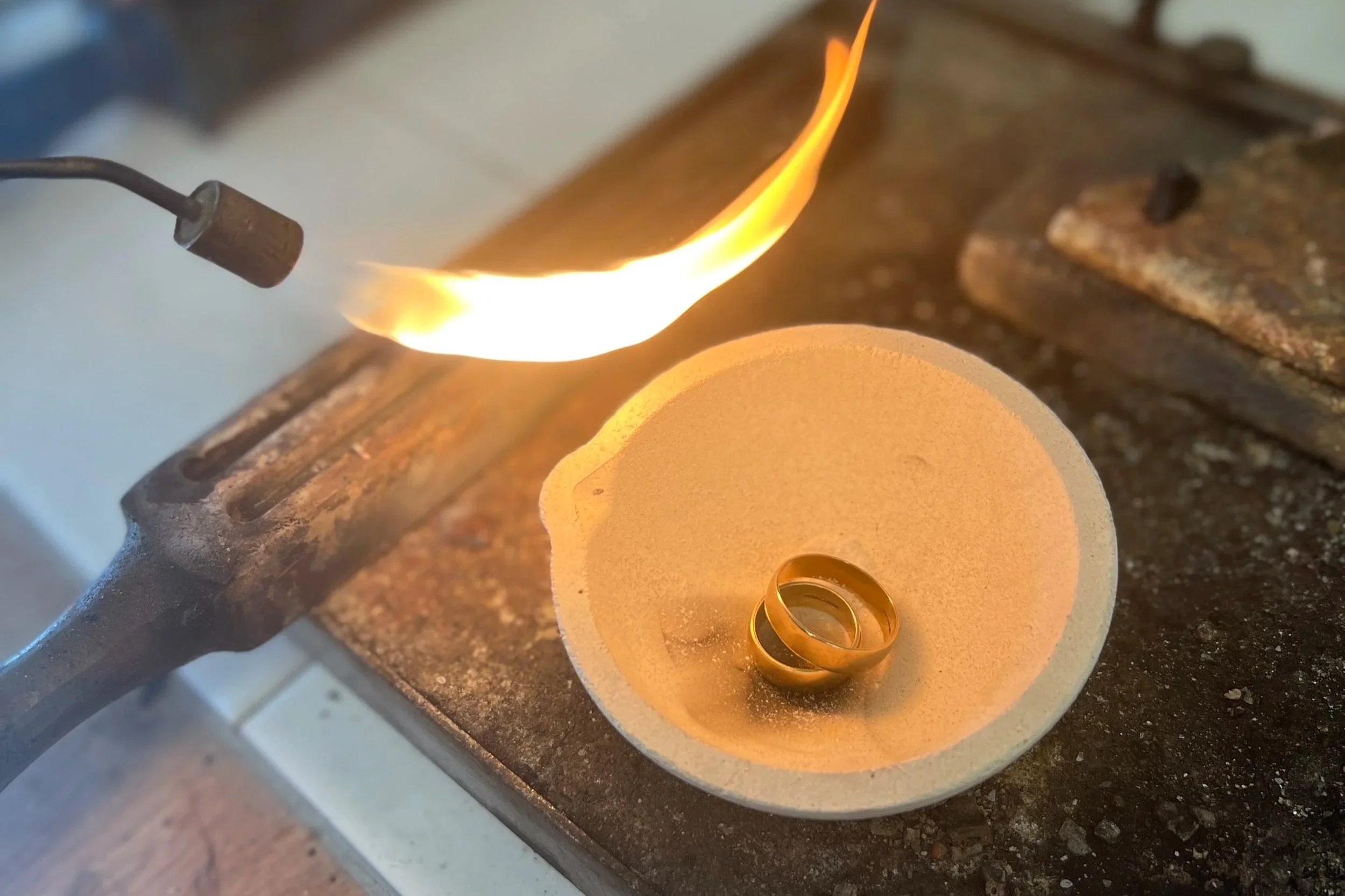
In the workshop, we see what's happening inside the metal as well as on the surface, and sometimes there can be hidden surprises.
Not All Gold Is Created Equal
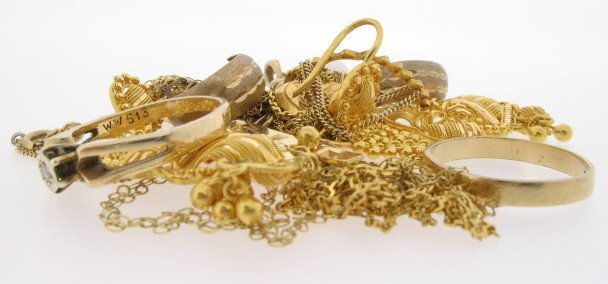
Over the years, jewellery is often repaired, resized, soldered, and altered. While a piece may look like solid gold, it can actually contain a mixture of different alloys and solders.
Chains are a great example. A chain stamped as 18ct or 22ct gold may contain solder joins with a much lower gold content. Historically, some solders could be significantly lower in carat than the surrounding metal. When everything is melted together, these lower-carat solders can affect the quality and consistency of the new alloy.
This doesn't mean we can't use the metal, but it does mean we need to carefully assess it before deciding whether melting it is the best option especially if your hoping for a piece with a higher carat hallmark.
The Risk of Porosity
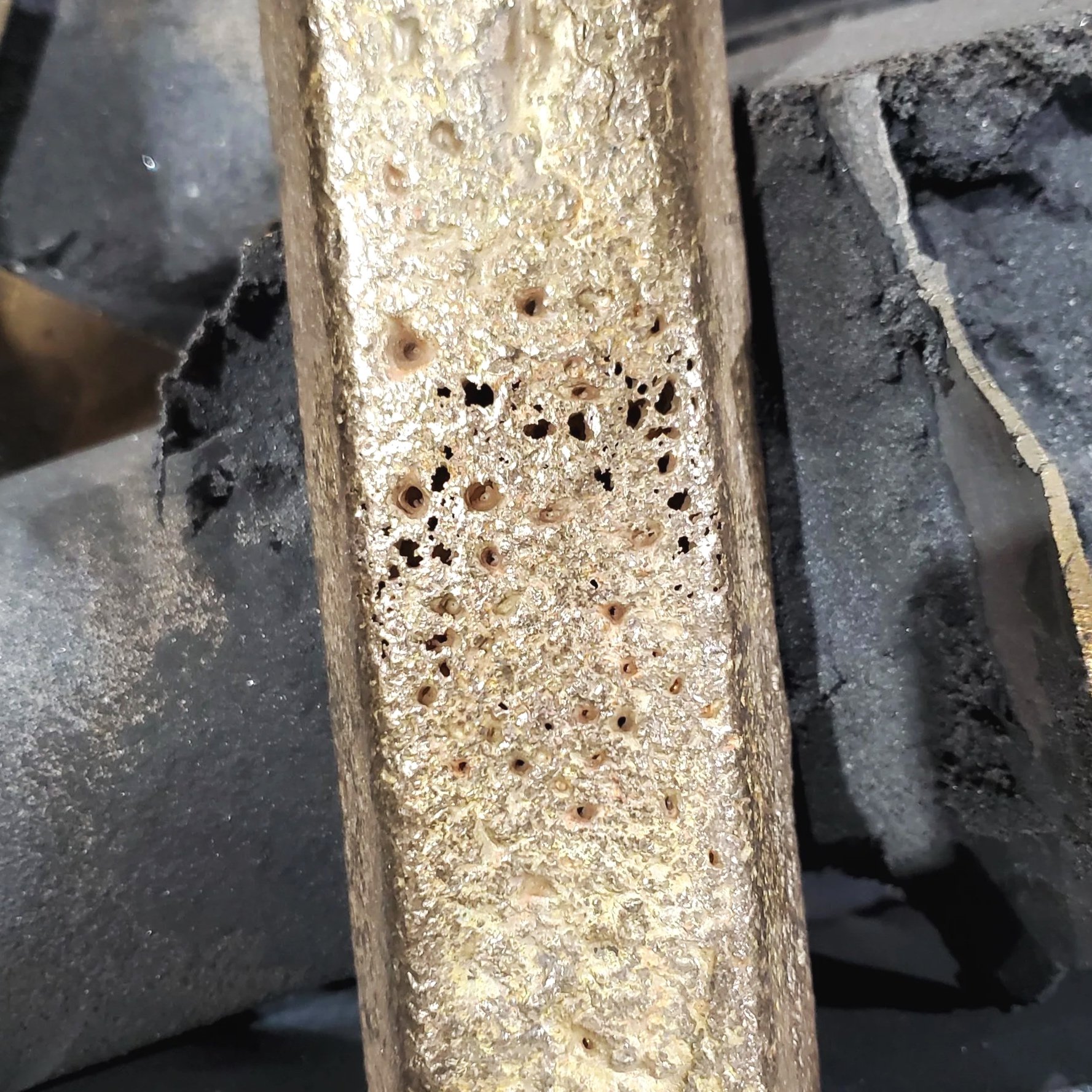
One of the most common issues we encounter when remodelling old jewellery is porosity.
Porosity creates tiny holes or air pockets within the metal that may not be visible until the piece is being worked on. Sometimes these imperfections are the result of previous repairs, manufacturing methods, or contamination within the metal itself.
In severe cases, porosity can weaken the structure of a piece or affect the quality of the finish.
Our goldsmith will always inspect your jewellery and advise whether the metal is suitable for remodelling or whether it may be safer to exchange it for fresh metal of the same carat.
Hidden Metal Cores & Repairs
Not all jewellery is solid precious metal throughout.
Over the years we've occasionally discovered rings containing base metal cores, strengthening inserts, or hidden components added during previous repairs. These materials may never have been visible to the wearer, but they can cause significant issues when melted.
Unfortunately, once contamination enters a melt, it can affect the quality of the entire batch of metal.
It's one of the reasons we never automatically recommend melting down every inherited piece.
White Gold Can Be a Challenge
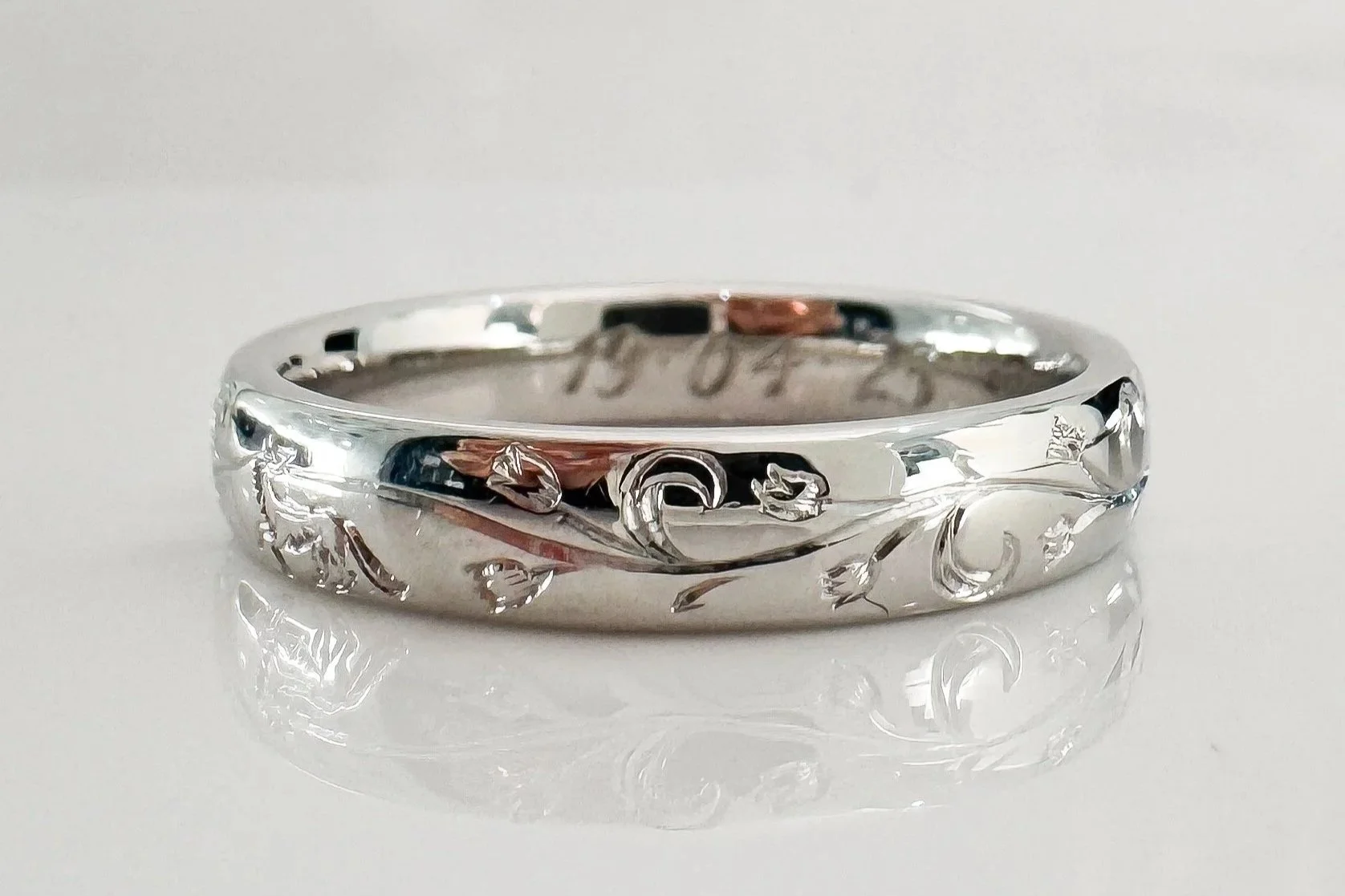
Many people are surprised to learn that white gold isn't naturally white.
White gold is created by mixing yellow gold with other metals to create its colour and properties. Because it is already a carefully balanced alloy, it can sometimes behave unpredictably when repeatedly heated, repaired, or remelted.
If a white gold piece has been resized, repaired, or altered several times throughout its life, there may be multiple alloys and solders present within the same item.
This doesn't automatically rule it out for remodelling, but it is one of the metals that our goldsmith pays particularly close attention to when assessing a project.
Lower-Carat Gold Can Present More Risks
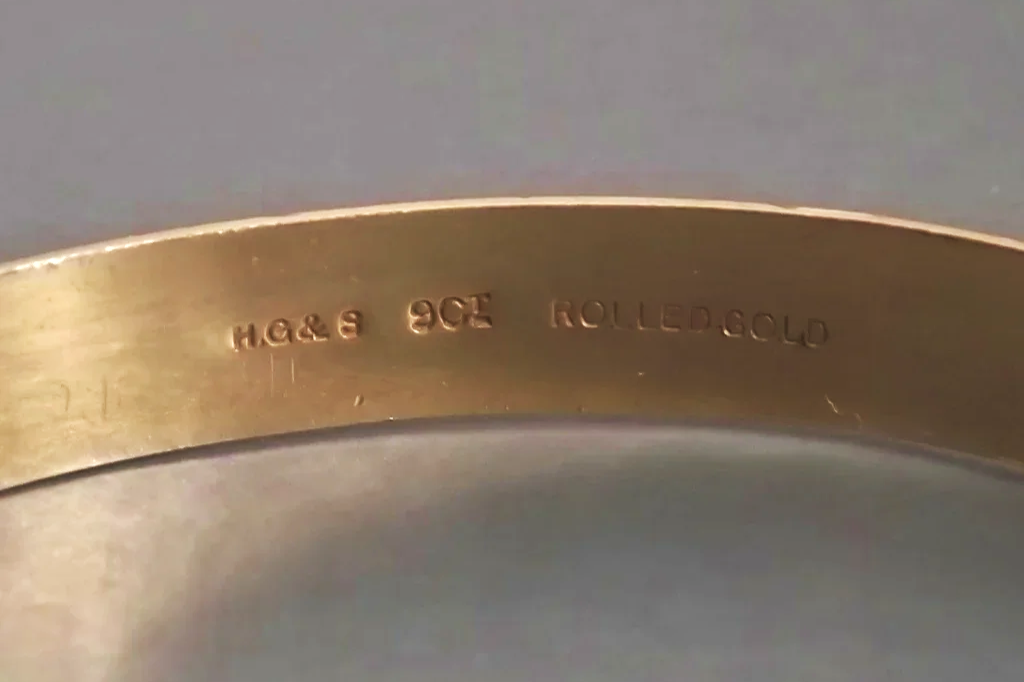
Older or antique jewellery is often made in 5 to 9ct gold, which contains a higher percentage of alloy metals than 18ct gold.
Whilst lower carat gold can absolutely be remodelled, it can be less forgiving when repeatedly heated and melted. The more times a piece has been worked on during its lifetime, the greater the chance of impurities building up within the metal.
Sometimes using sentimental gold as a contribution towards fresh bullion can produce a stronger and more durable result.
What About Silver?
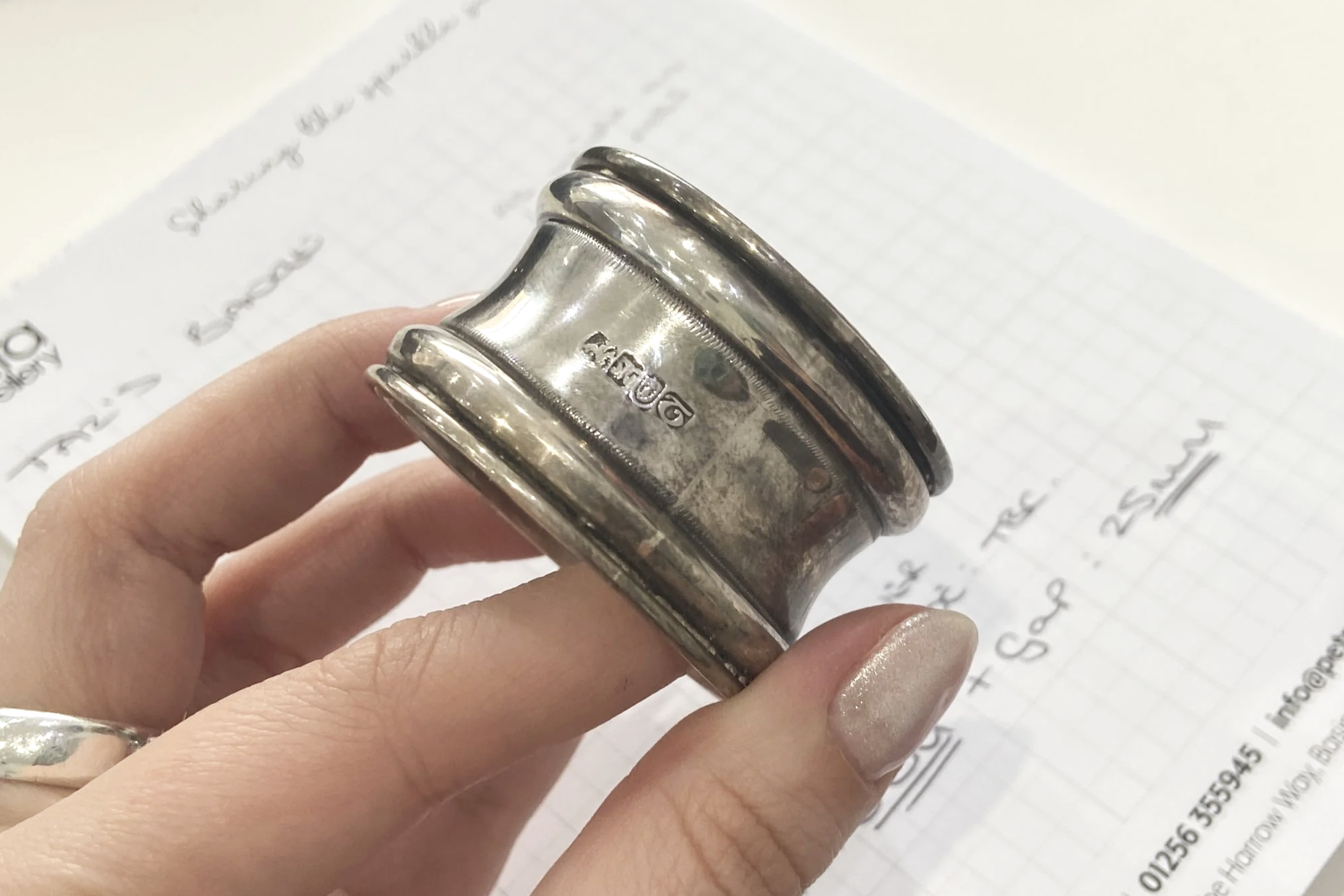
Silver is a wonderful metal to work with, but it can be particularly prone to porosity and contamination when recycled.
For this reason, our goldsmith may sometimes recommend creating a new piece using fresh silver whilst preserving the sentimental connection in other ways.
Every project is different, and we'll always explain the options available to you.
Remodelling your Platinum
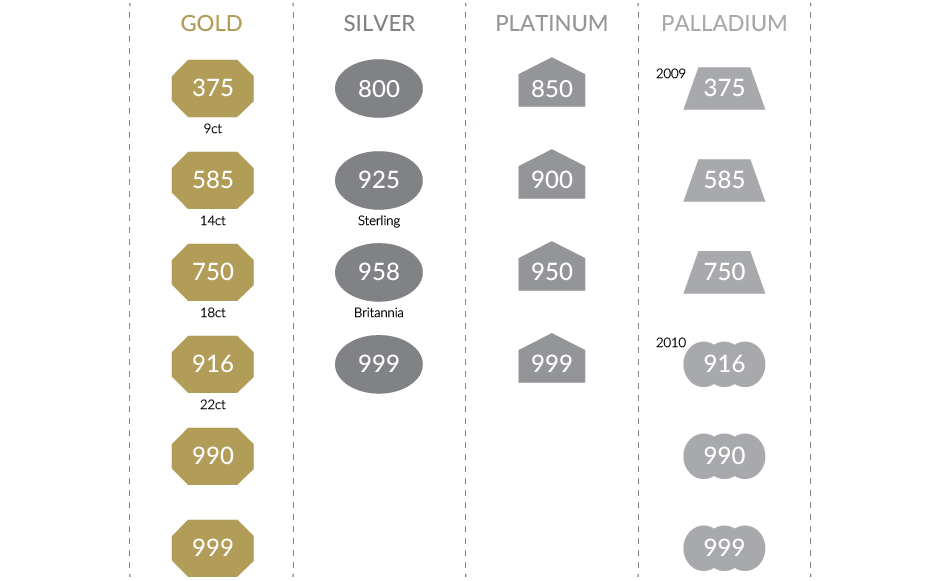
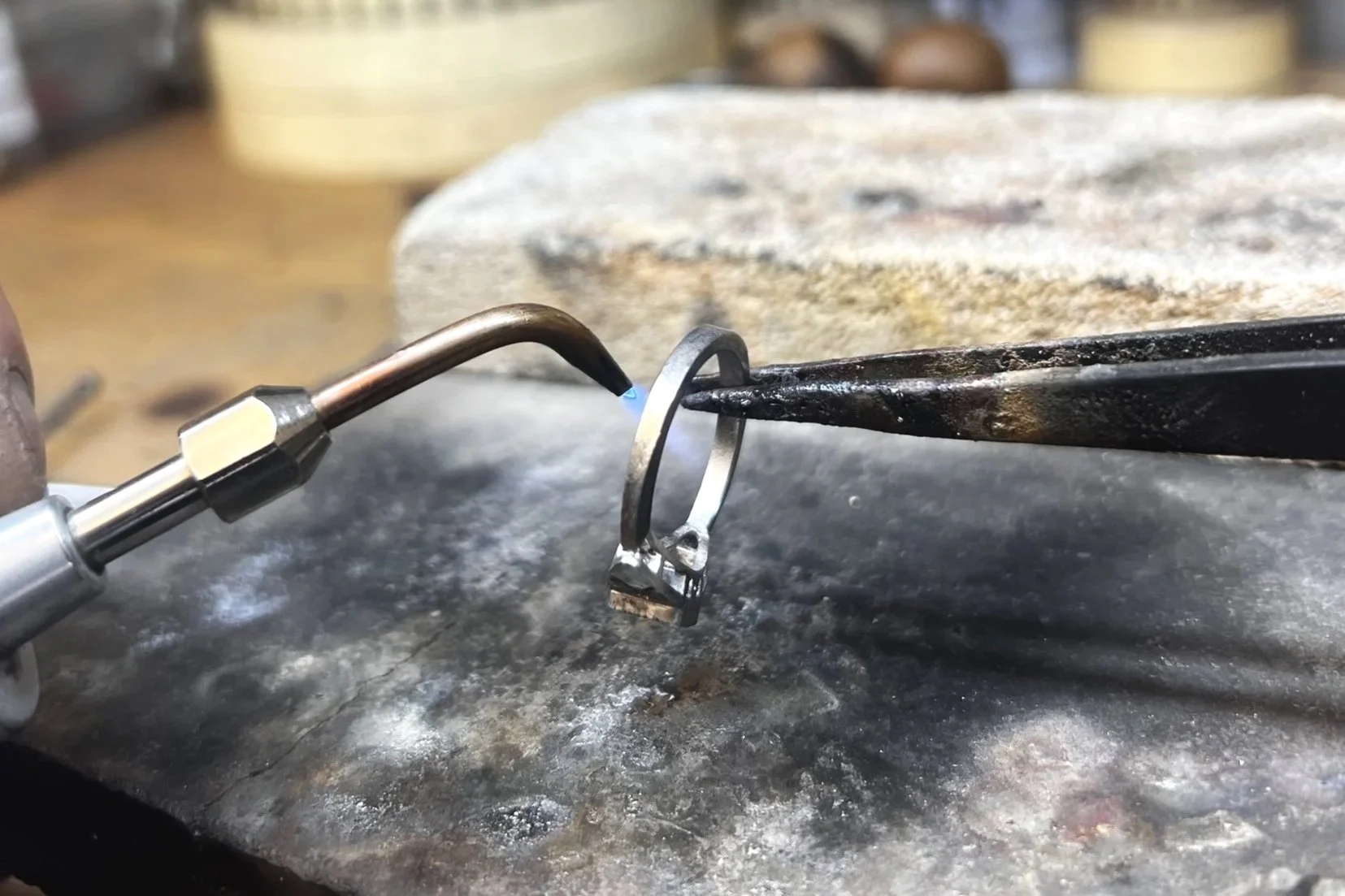
Platinum is generally one of the best metals for remodelling because it doesn't suffer from some of the same issues as lower-carat gold or silver. We typically prefer using 950 platinum over 900 as there can be a risk with the alloy metal within the platinum reacting with the high heat needed to melt it down.
That said, previous repairs, solder joins, and contamination can still affect the final result, so every piece needs to be assessed individually.
Our Approach at Petra Jewellery
Whenever you bring jewellery to us, we'll sit down together and go through everything carefully.
We'll weigh your pieces, assess their condition, identify any potential risks, and discuss the best options for your project. Sometimes that means using your original metal. Sometimes it means exchanging it for fresh metal of the same value while preserving the financial and sentimental value of the original jewellery.
Our role is to give you honest advice and help you achieve the best possible result.
After all, if you're creating a piece that will be worn and loved for years to come, we'd rather have an honest conversation at the beginning than compromise on quality later.