
Leadership Lessons from the Arctic
Reflections on leadership, teamwork and perspective
I did a rare thing in April, I took time out of my business and travelled solo to the Arctic!
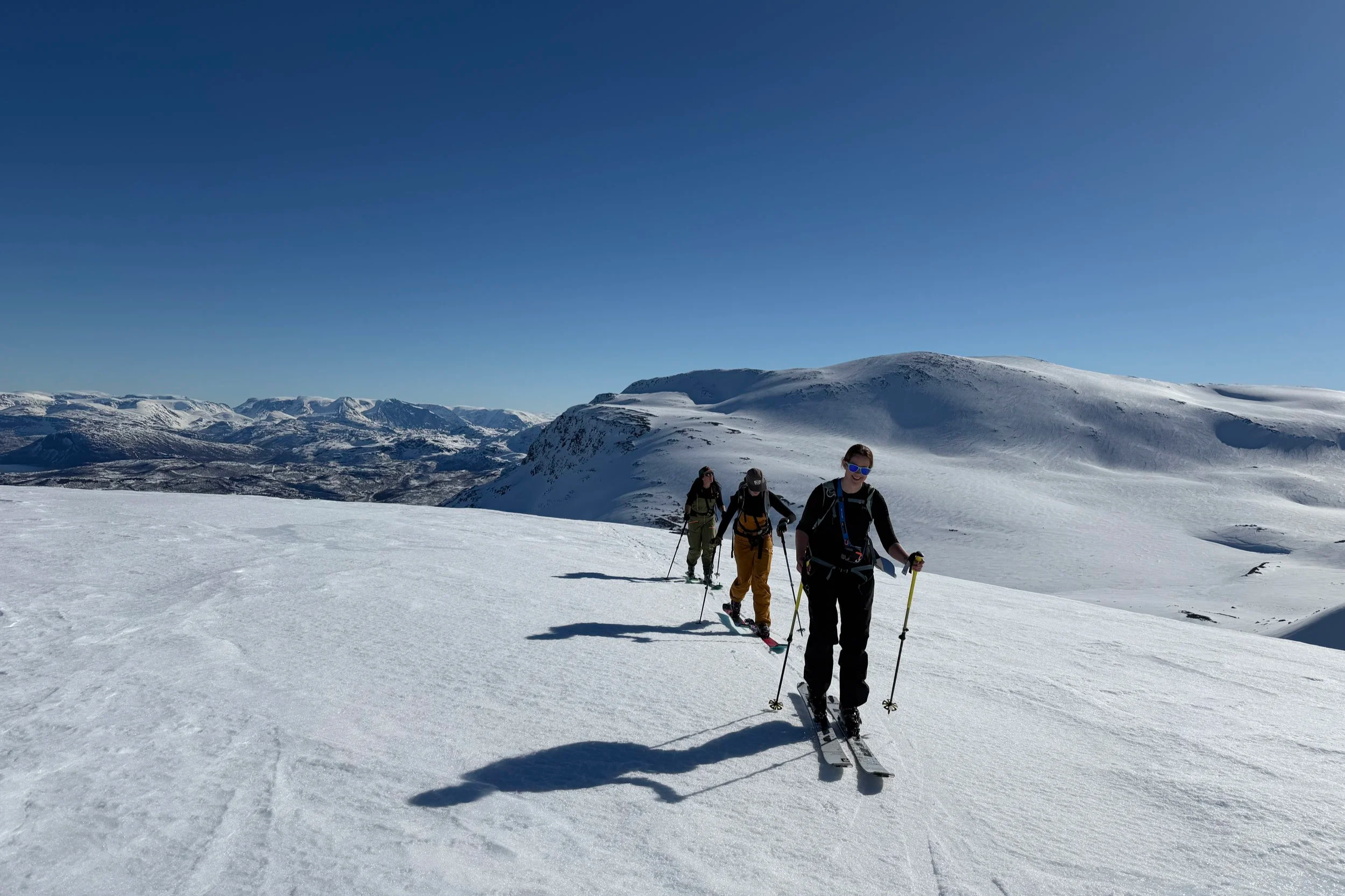
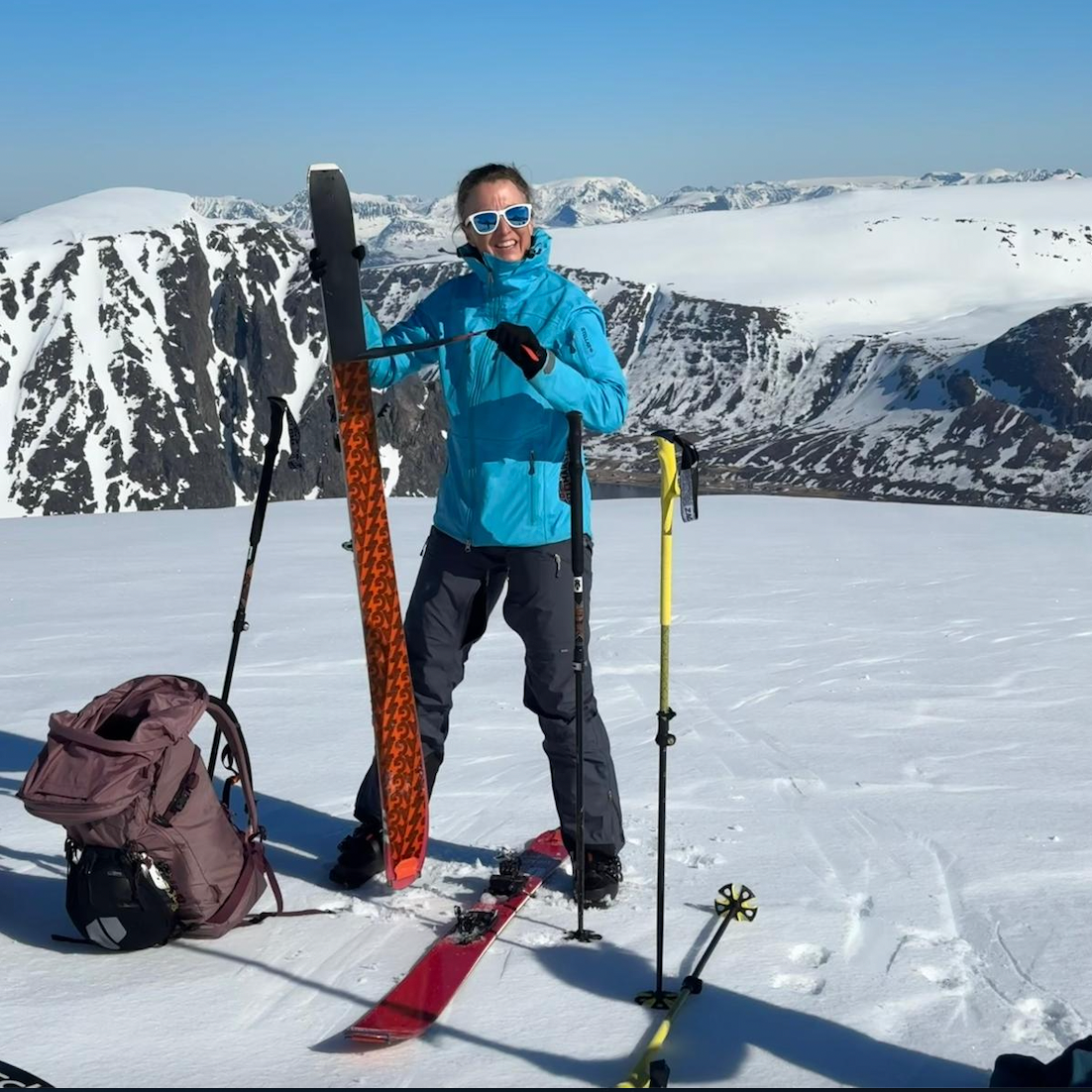
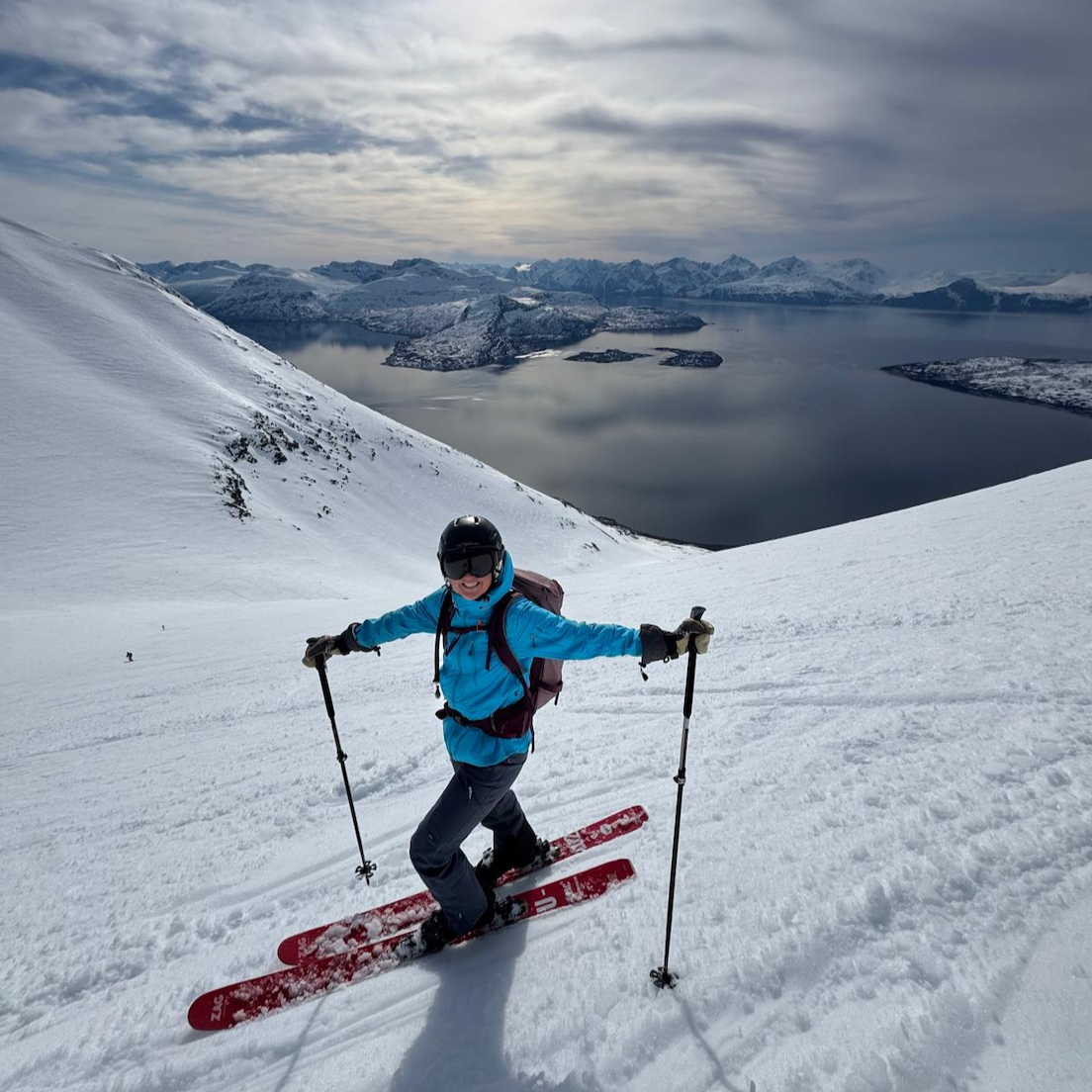
Skiing uphill for hours, in a completely different environment, with people I’d never met before, created a kind of space that’s hard to find in day-to-day business life. It gave me time to reflect on leadership, communication, resilience and how we operate as a team.
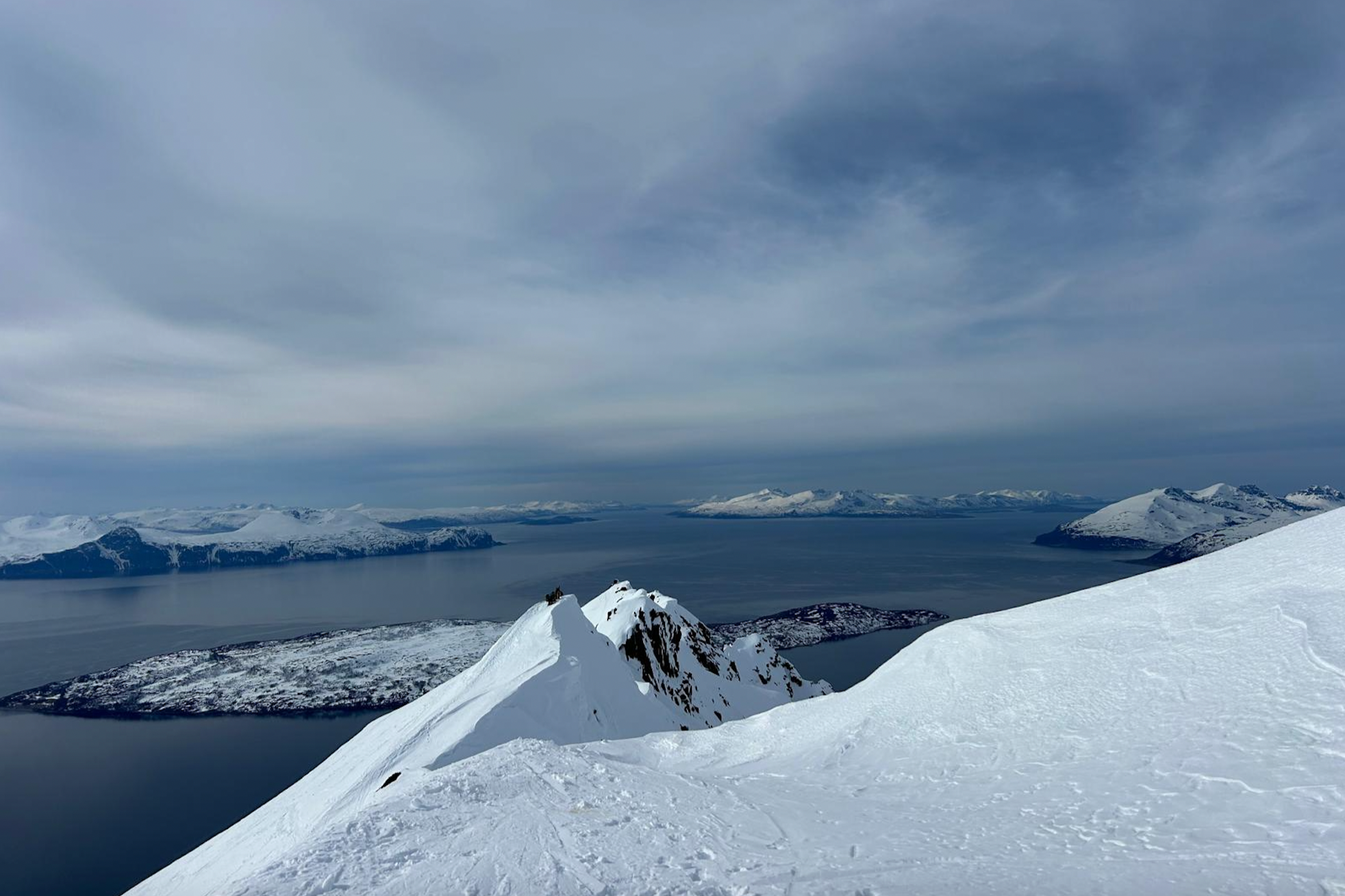
It also reminded me that some of the most useful lessons don’t happen in a meeting room. They happen when you’re stretched, slightly uncomfortable, and figuring things out as you go.
Yes, that’s us on the knife-edge ridge in the stunning picture above!
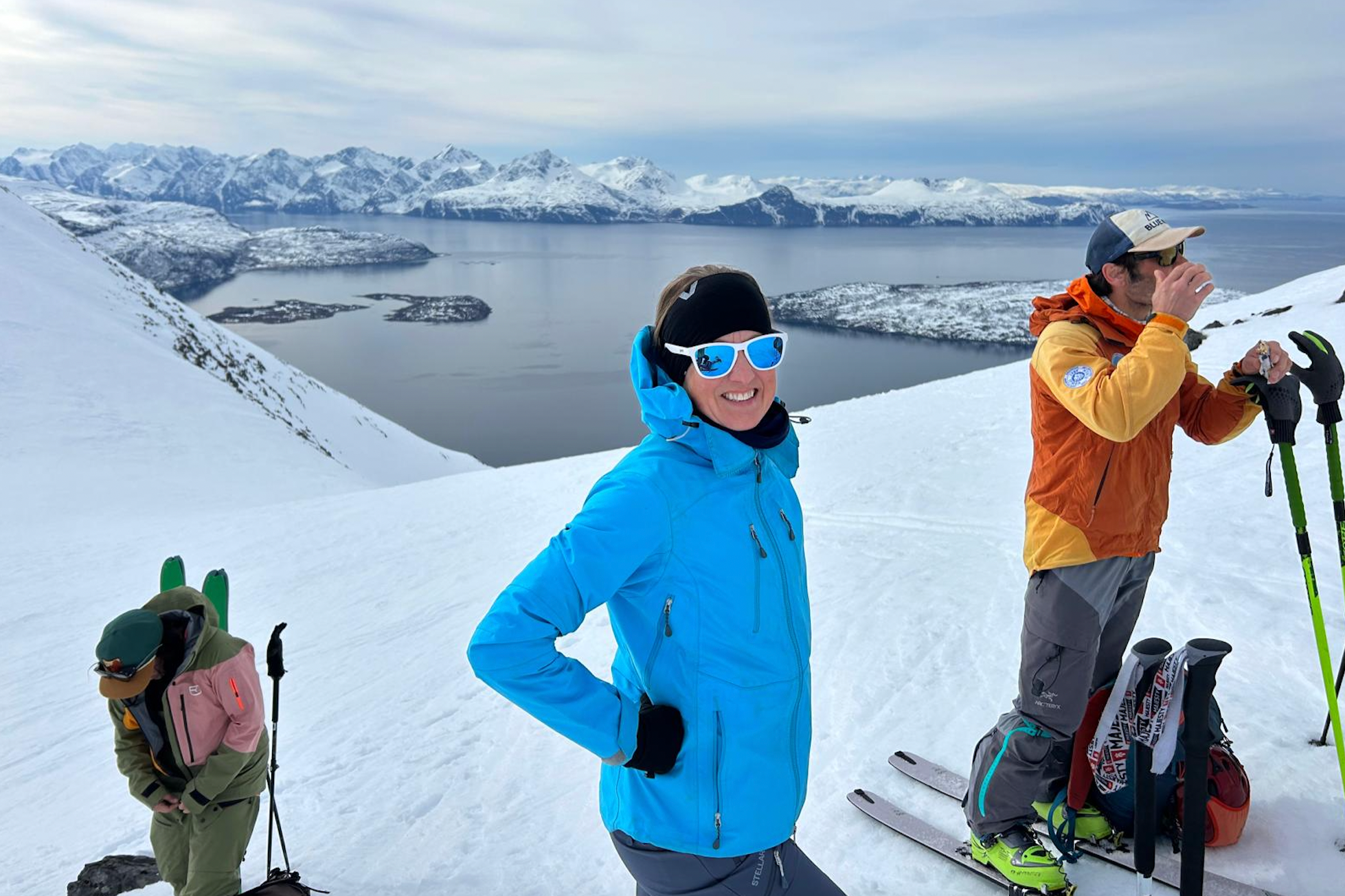
Communication - small details, big impact
One of the strongest observations for me was communication.
In the military, passing information down the line was drilled into us. If the people at the front know something, the people at the back need to know it too. I had always assumed that was just common sense, but this week reminded me that it often isn’t.
Something as simple as stopping on the slope highlighted it. Was it a quick pause or a proper break? Two minutes or ten? That small piece of information makes a big difference when you’re cold, tired and carrying weight uphill.
The same thing happened back at the lodge. Dinner timings were brought forward one evening. After hours on the mountain with very little food, that update really mattered, but not everyone got the message. A little thing, but boy did it matter and it made me notice who thinks for the other and who doesn’t.
Teams often aren’t actually held back by big problems, more often, it’s small gaps in communication. I am aware of so many examples of this since I’ve returned and I’m determined to continue now to seek ways to eliminate those little gaps.
Preparation: Carry Enough to Support Yourself and Others
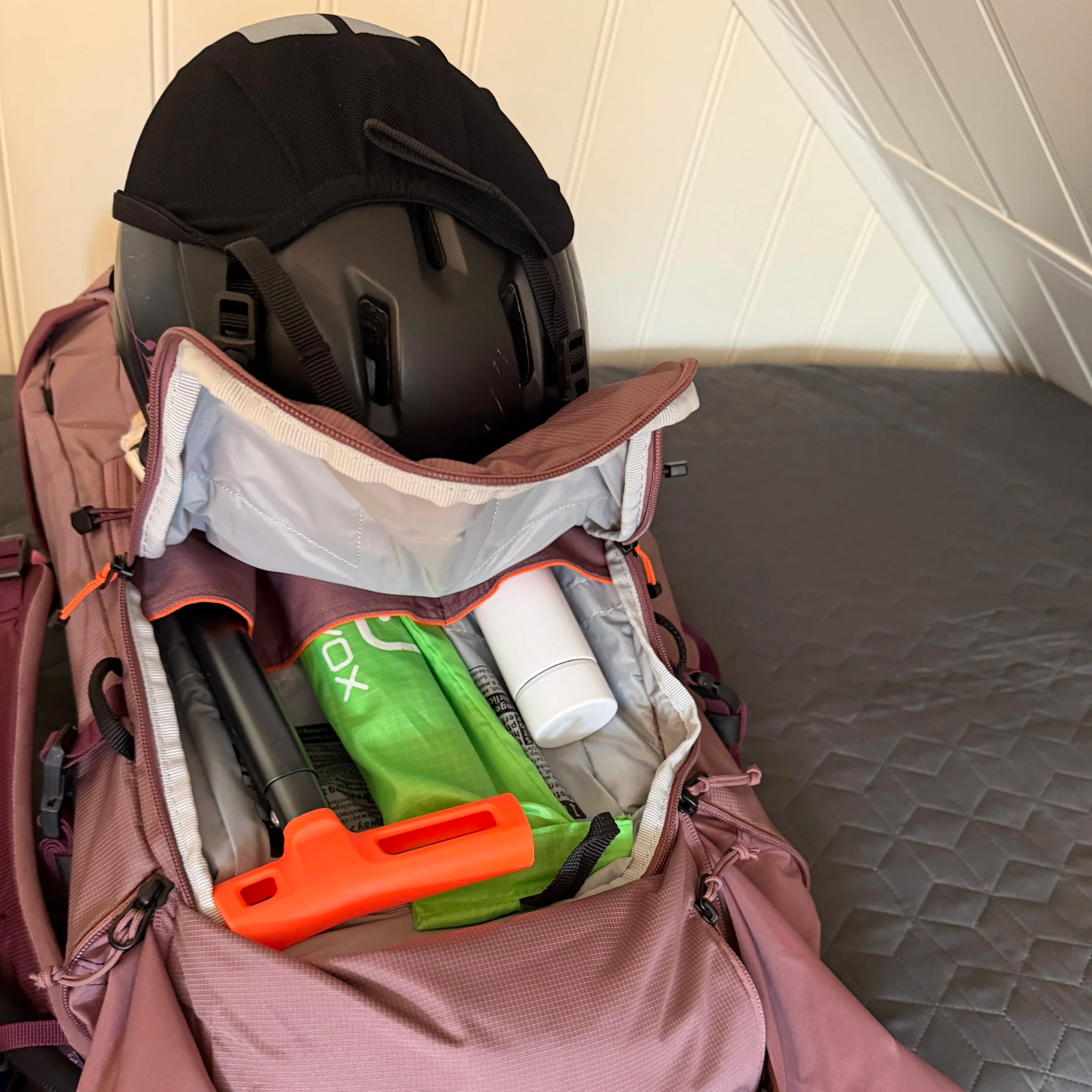
There’s always a temptation to go lighter. A smaller pack feels appealing when you’re climbing uphill for hours. But lighter often means less prepared.
The reality of the mountain is that conditions change. Weather shifts, energy dips, things get dropped, people get uncomfortable. My approach was to carry enough to cover most eventualities: extra food, spare water, additional layers.
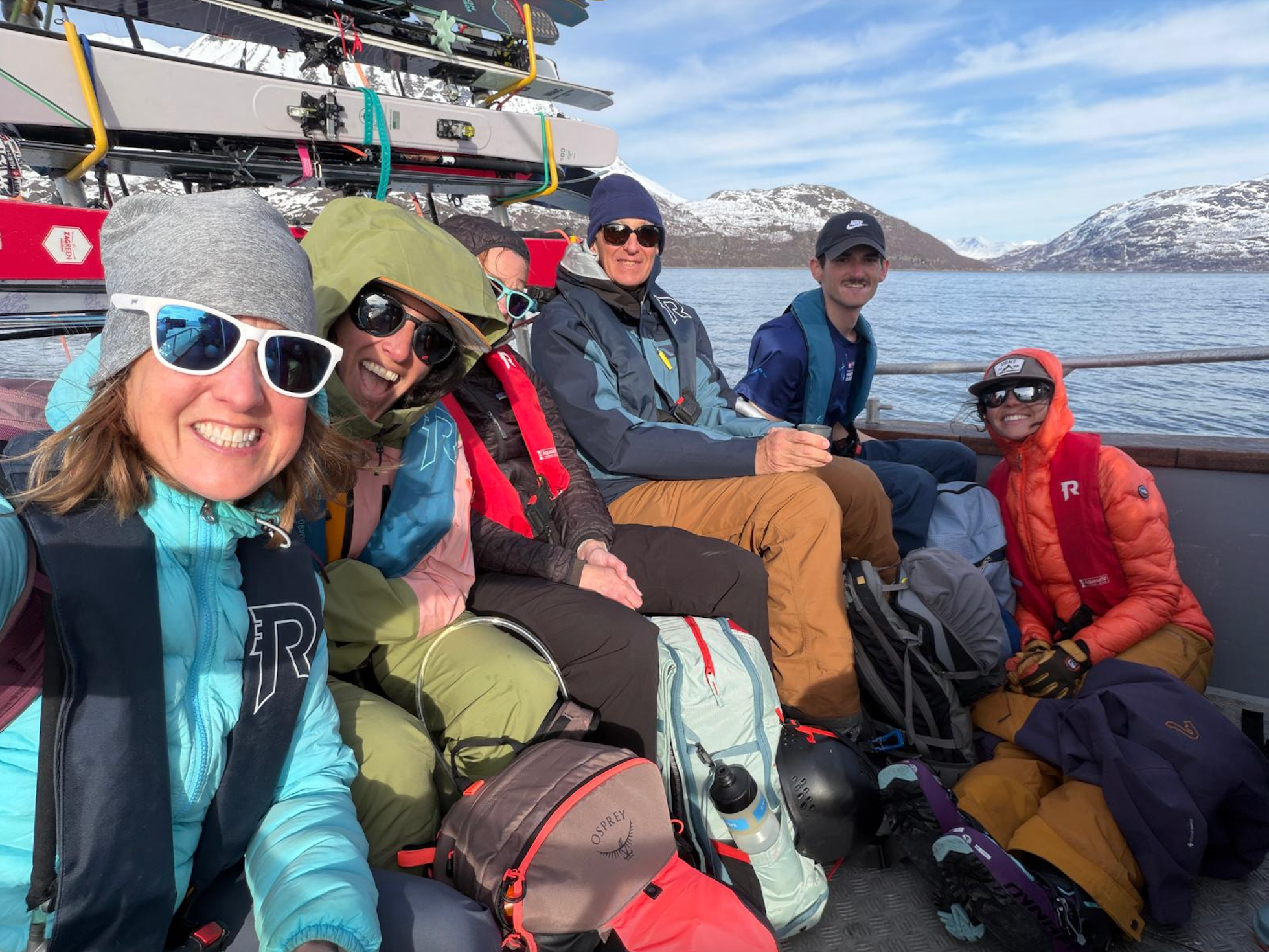
Not because I expected something to go wrong, but because I didn’t want to be the person that held the group up if it did. What I found interesting was that preparation didn’t just help me. It meant I could help others too.
That principle applies directly to business. Don’t just plan for things going smoothly. Be ready for change. Whether it’s market shifts, new technology, or supporting team members through pressure, preparation creates calm and capability.
Dealing with Pressure: It Is What It Is
A big lesson was dealing with the uncontrollables.
One day we climbed for hours and reached the top with no visibility. No view, no obvious reward. It would have been easy to feel frustrated, but instead I found myself appreciating the quieter gains. The thinking time, the peace, the reminder that effort doesn’t always come with immediate reward.
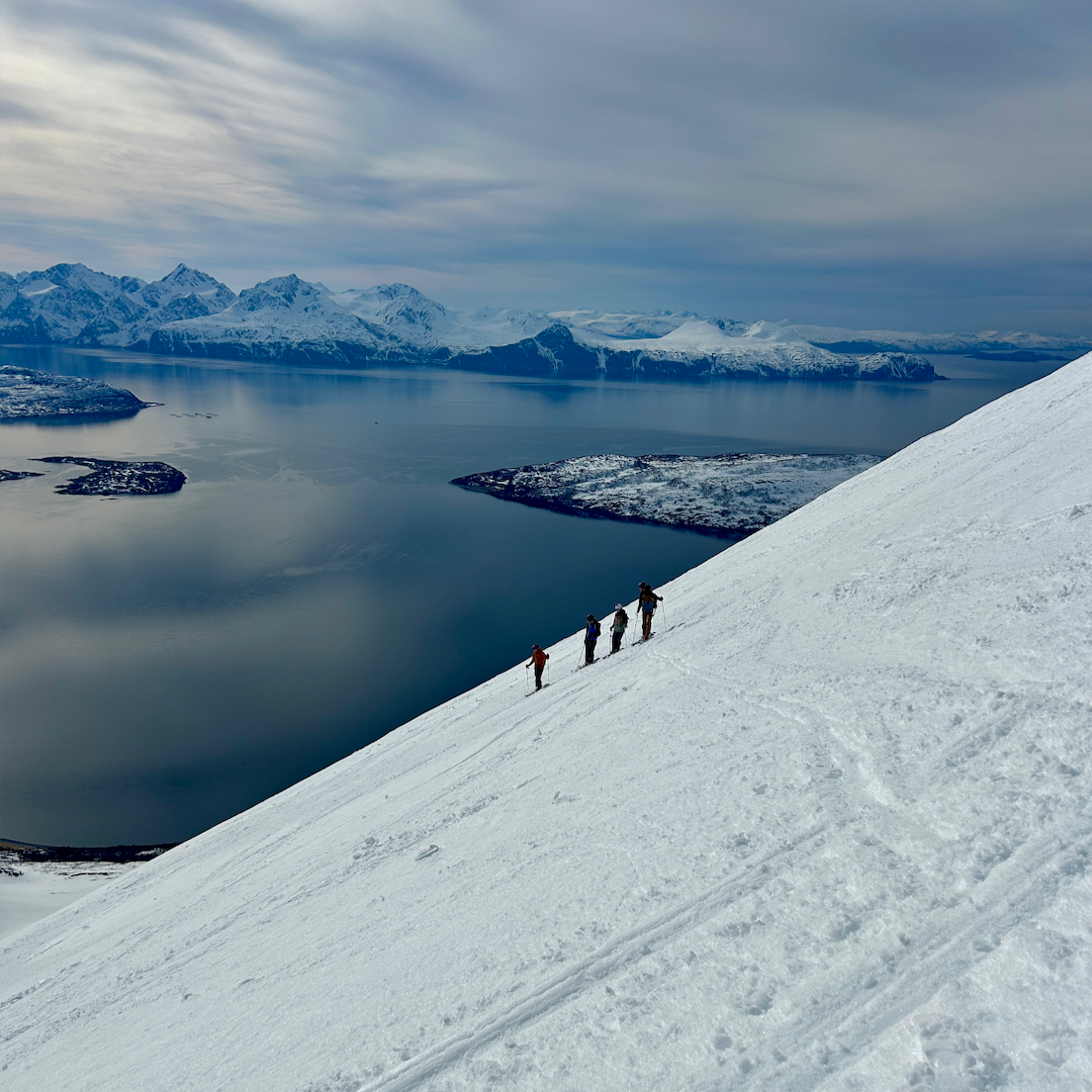
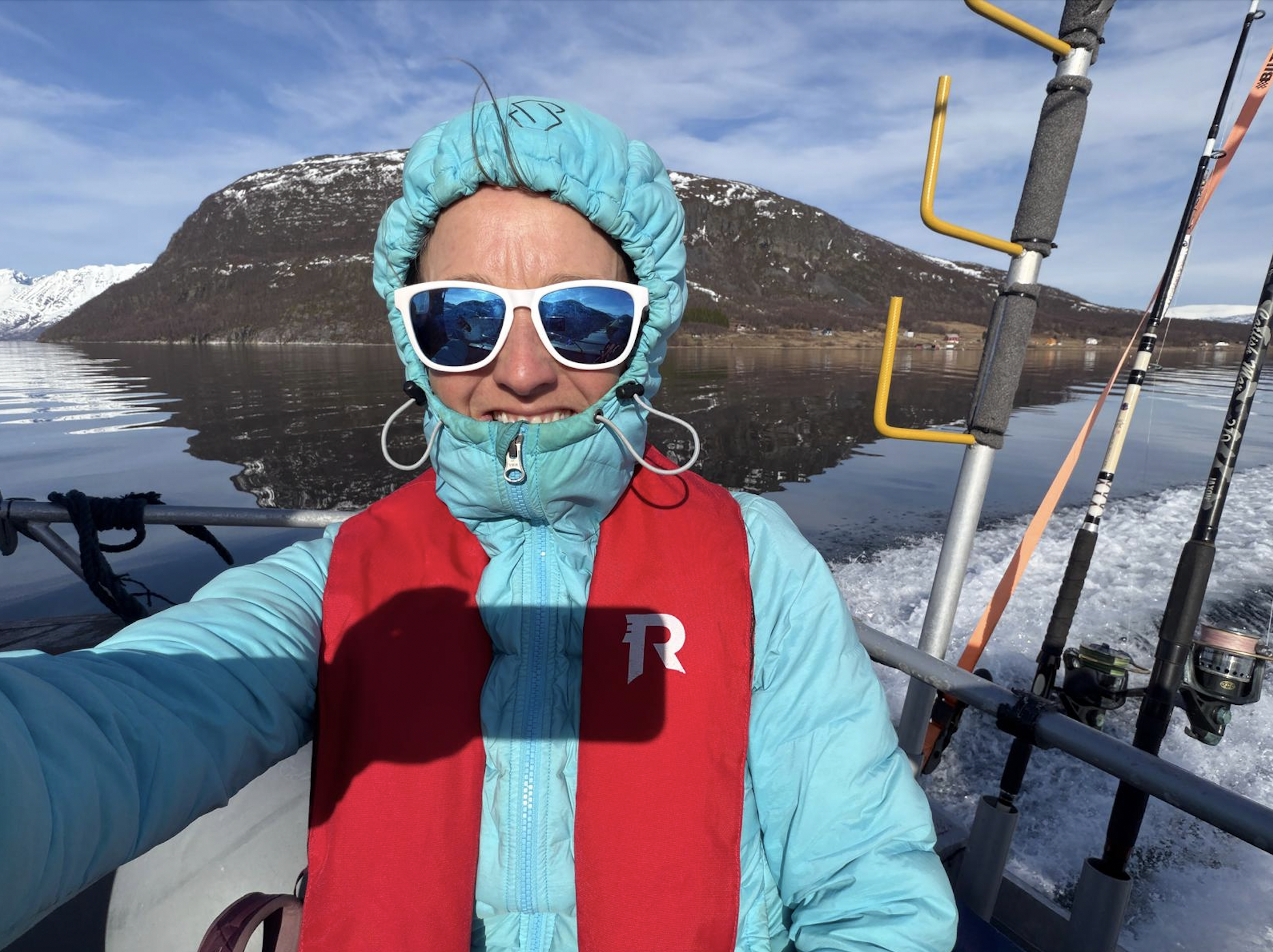
The snow conditions were more challenging for me. Steep, icy slopes and softer snow that I found difficult. My skis were longer than I’m used to, and the rest of the group were very experienced. There was definitely a moment where my thinking slipped into doubt.
But the reality was simple. The slope was there. I had to get down.
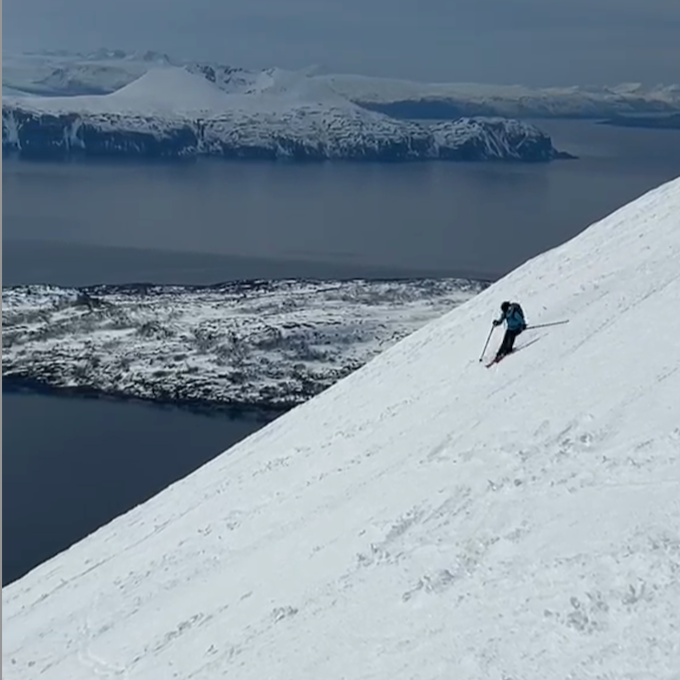
Our guide didn’t indulge the doubt. He had already seen enough to know I was capable. He stayed calm and expected me to get on with it.
That belief made a huge difference.
It reminded me that as a leader, sometimes the most helpful thing you can do is not step in and fix things, but help someone recognise that they are already capable.
Sharing Knowledge: Small Tips Create Big Improvements
Another thing that stood out was how much progress comes from sharing small pieces of knowledge. Nothing dramatic. Just practical tips that make things easier. Whether it was how to secure equipment (although I never quite mastered folding those very sticky skins), manage food, or make small adjustments to improve comfort, everyone contributed something.
In business, knowledge can often stay with one person. A useful insight gets shared once and stops there. I know that happens in our workshop conversations and we now have a weekly reflection to share those nuggets with the whole team.
Sharing knowledge openly, challenging ideas respectfully and staying open to better ways of doing things…
That’s where real improvement happens.
Pride and Storytelling: Helping People Understand Value
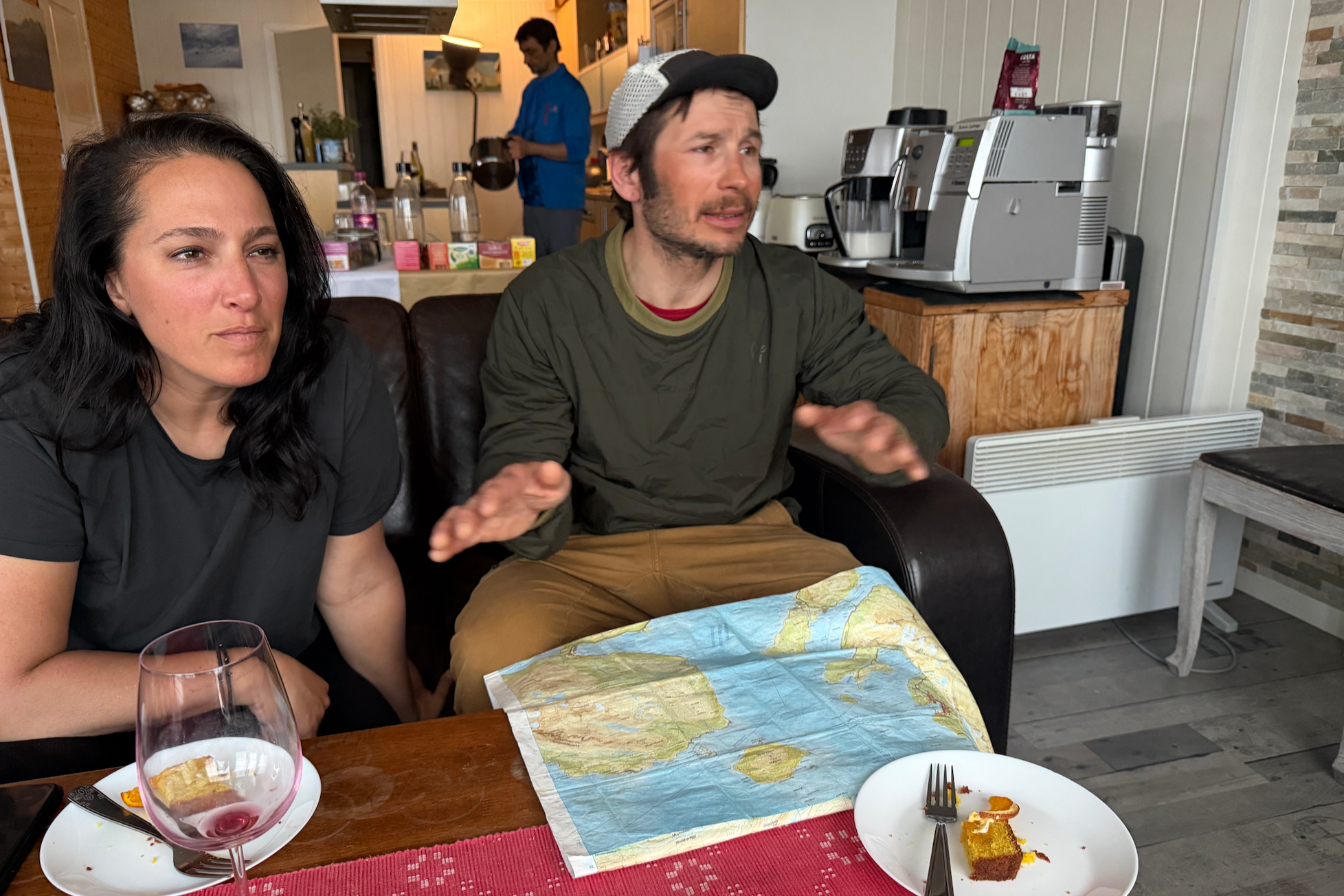
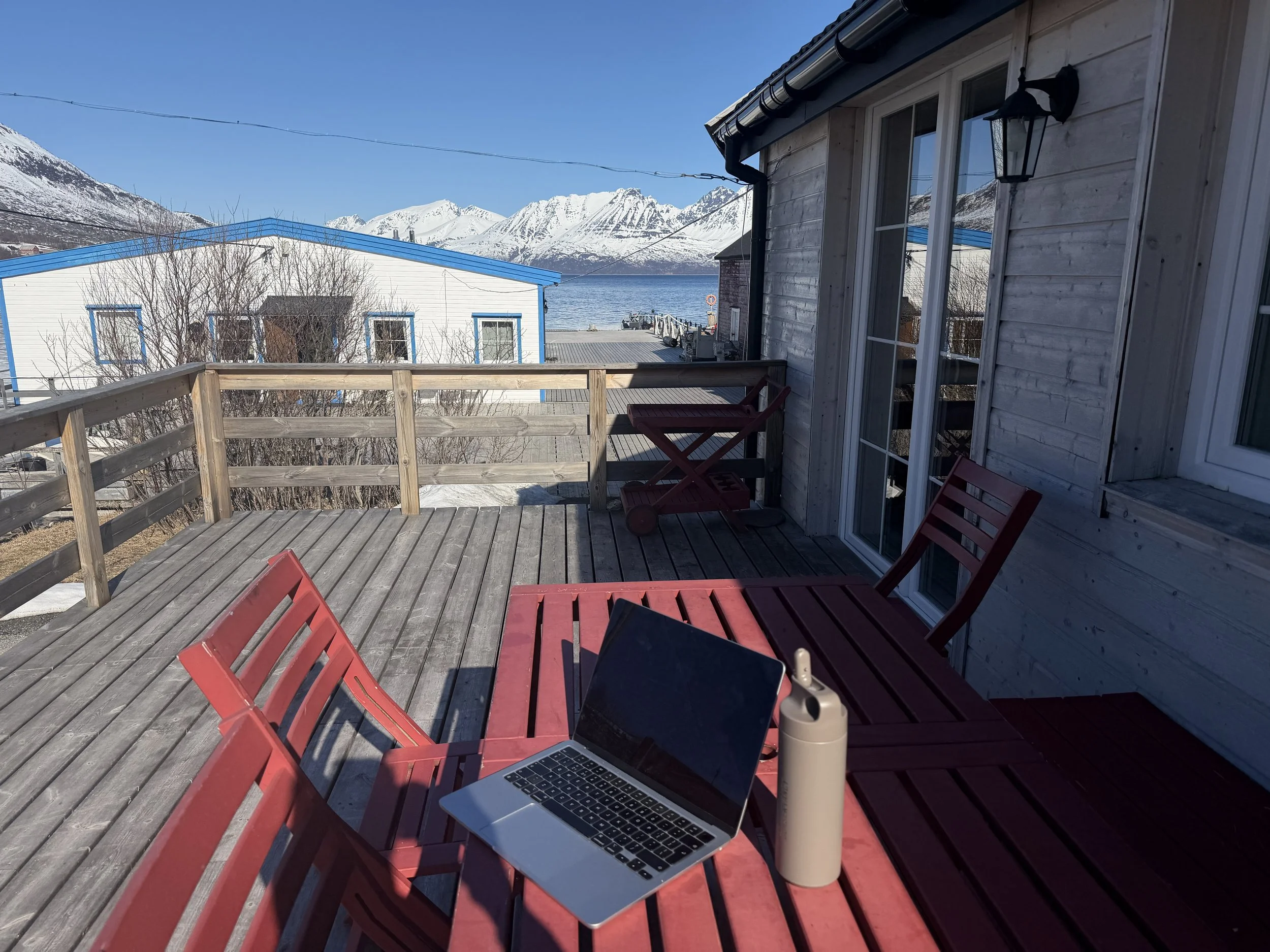
A different lesson came from Artur, the owner of the lodge.
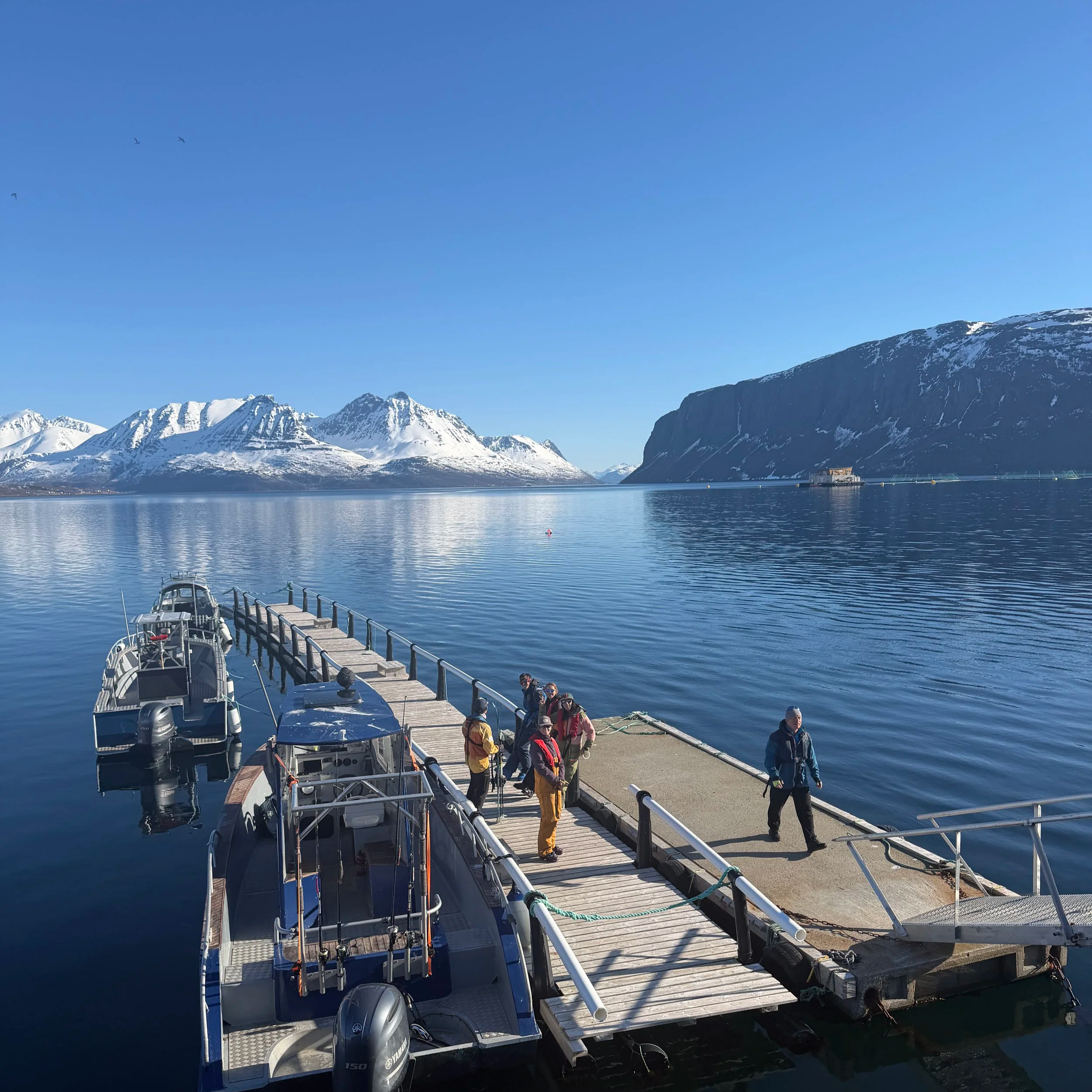
He had invested heavily in creating something very special. Restoring Nordic fishing buildings, building right on the coastline and creating a place with real character. What stood out most was the pride he had in it.
He spoke about the history of the region, the economics, and his own experiences of being Polish. It added depth and context to everything around us. Each evening he introduced the food with the same level of enthusiasm. Where it came from, how it was prepared, why it mattered. It made me realise how much more you appreciate something when you understand the story behind it.
In our business, we put a huge amount of care into what we do. But we can do more to share that. The craftsmanship, the process, the thinking behind decisions and more than anything else remember to communicate ‘how’ we care!
So much goes on behind the scenes that customers are completely unaware of: hours spent sourcing the right shade of blue for a sapphire, sending things back to our goldsmith until they are exactly right, using little tricks to get mirror polishes underneath stones…
When people understand that, they don’t just see a product. They see value.
Perspective: Appreciating Where You Are
There is always another mountain. Another challenge. Another job list. It’s very easy to keep looking ahead.
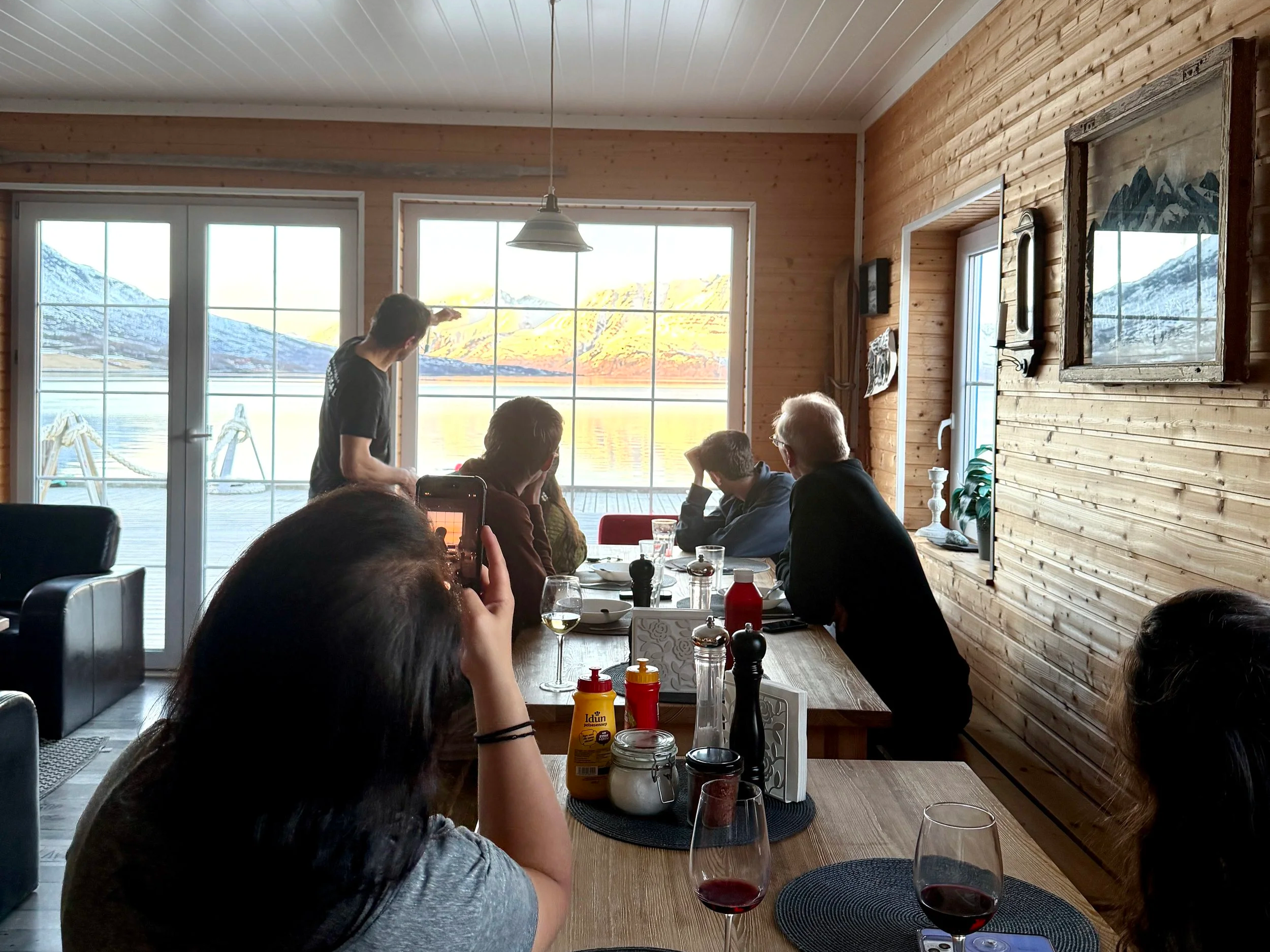
So I made a conscious effort each morning to step outside, take in the view and feel grateful to be there before the day started. It’s a small habit, but it changes your perspective. You realise that you are somewhere you once hoped to be.
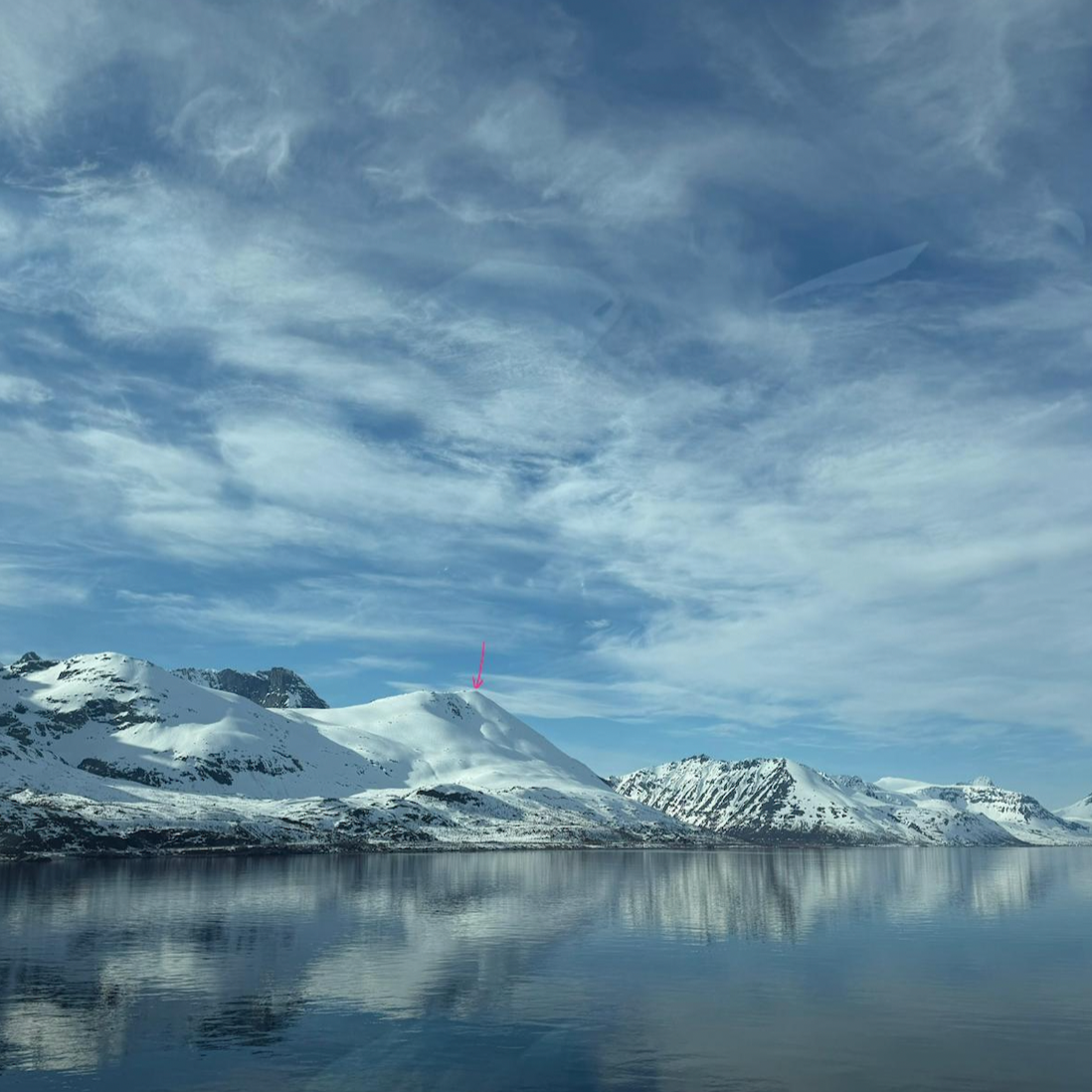
Ambition matters, but so does recognising progress. Without that, it’s easy to feel like nothing is ever quite enough. We now have monthly Celebration Ceremonies so the whole Petra Team gets to reflect on their achievements and everyone really appreciates the opportunity to acknowledge the progress they’ve made - it’s so easy to forget.
Key Takeaways
Share information clearly and consistently
Do not assume others know what you know
Prepare properly so you can support yourself and others
Stay calm when things are outside your control
Focus on what is real, not what you fear
Share knowledge openly and learn from each other
Be proud of what you do and explain it well
Take time to recognise progress, not just what is next
Final Reflection
This week has reinforced for me that leadership isn’t about big moments.
It’s about the small, consistent behaviours. Communicating clearly, preparing properly, staying calm, supporting others and taking the time to reflect.
Those are the things that ultimately make the biggest difference to how we work together and how we serve our customers.
I’m grateful I had the courage to step out of my comfort zone, experience the wilderness of the Arctic Circle, and be able to bring these lessons back to my team.
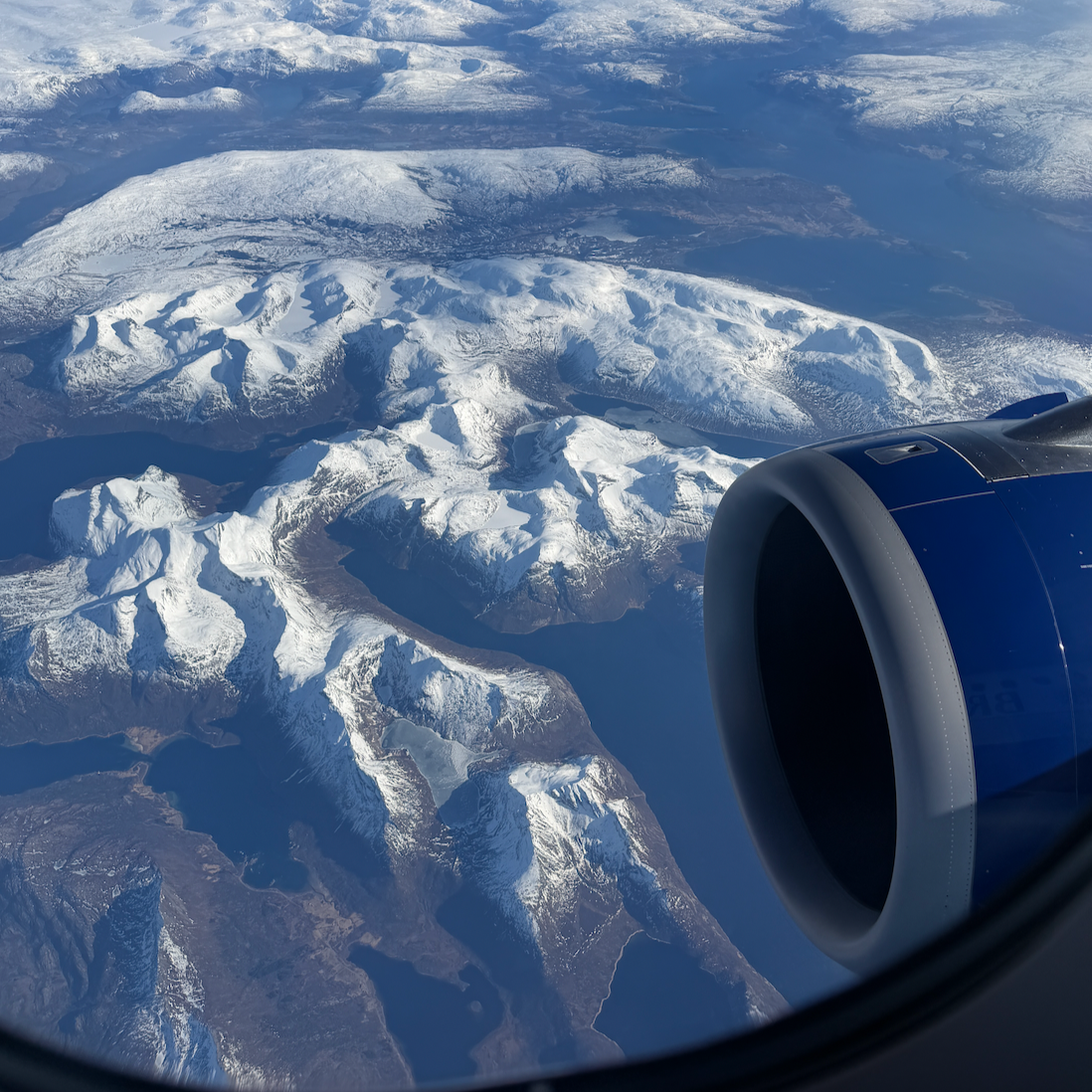
It’s in fact been so worthwhile I’m looking to plan in a leadership retreat both in the UK and overseas each year now, so if you have any recommendations please let me know.
Onwards…
PS: If you fancy staying at the same lodge here’s a link to their website:
“We don’t see things as they are, we see them as we are”